Where Aurora CO Finds Authentic Cuban Pastries
@beauqcjg649
October 29, 2026 · 14 min read
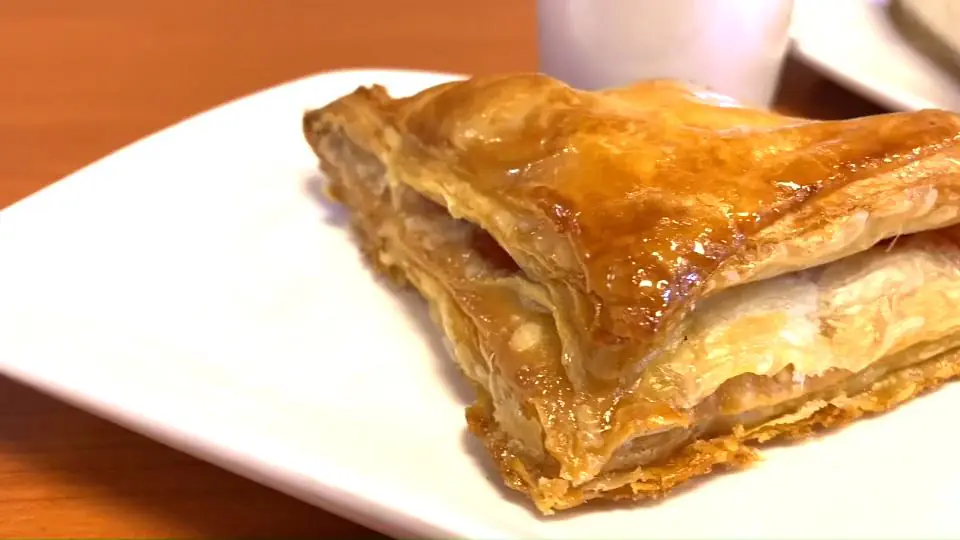
Aurora is not the first city most people name when they start talking about Cuban baking. Miami gets the headlines. Tampa gets the history. Union City, West New York, and parts of South Florida get the nostalgia. Yet anyone who has spent time eating through the Denver metro’s Latin food scene knows something important: great pastry traditions often survive quietly, inside modest bakeries with fogged display cases, warm ovens, and a rhythm that starts before sunrise.
That is exactly how the search for authentic Cuban pastries tends to unfold in Aurora.
You do not usually find the best versions because a place spent heavily on branding. You find them because someone behind the counter knows when guava filling should be bright and jammy rather than sugary and flat. You find them because the dough flakes in layers instead of collapsing into crumbs. You find them because trays empty early and fresh batches appear at odd intervals, the way they do in bakeries making food for regulars rather than for social media.
For anyone searching for a Cuban bakery in Aurora CO, the real answer is less about a single buzzworthy stop and more about understanding what makes Cuban pastry distinct, where that tradition tends to hide, and how to recognize the difference between a decent Latin pastry and a truly Cuban one.
The pastry case tells you almost everything
Walk into a bakery and look before you order. The case gives away the kitchen’s priorities.
Authentic Cuban pastry is often about restraint as much as richness. The dough should look laminated, but not inflated into the towering, brittle drama of French viennoiserie. Fillings should be visible without bursting messily through the seams. Sugar should have a purpose. A pastelito dusted or glazed too aggressively can signal a bakery compensating for weak dough or bland filling.
In strong Cuban bakeries, the pastry case usually feels practical. There may be guava pastries, guava and cheese, meat-filled pastries, coconut sweets, and a handful of cookies or cakes that reflect wider Latin American tastes. The most telling detail is not abundance. It is turnover. A half-full tray at 9:30 in the morning often tells a better story than a pristine, overstocked display at noon.
That pattern matters in Aurora because the city’s food culture is broad and layered. Families from many backgrounds shop side by side, and bakeries often adapt to multiple communities. That can be a strength. It also means the best Cuban pastry may appear in a shop that sells Mexican pan dulce, Colombian breads, or Central American savory items alongside it. Purists sometimes dismiss that kind of mixed bakery model. In practice, some of the strongest pastry counters in diverse cities work exactly that way.
What “authentic” means in a Cuban pastry
The word authentic gets abused in food writing. Too often it is used as a blunt tool, either to flatter a business or dismiss one. In pastry, authenticity is easier to discuss if you focus on structure, flavor, and intent.
A Cuban pastelito should not eat like a generic turnover. The dough matters first. It should be delicate, layered, and lightly crisp on the outside, with enough tenderness that the filling and pastry read as one bite rather than as separate components. If the shell is too thick, too bready, or too greasy, the balance is off.
Then comes the filling. Guava should taste fruity, slightly floral, and concentrated. Cream cheese or soft cheese, when paired with guava, should cool and soften the sweetness rather than disappear into it. Meat fillings should be seasoned, but not so heavily spiced that they could belong to any empanada case in any city. Cuban pastry has personality, but it also has discipline.
Texture is the final test. Good Cuban pastries hold their shape, yet they never feel dry. That may sound simple. It is not. In high-altitude regions like Colorado, baking laminated dough can be unforgiving. Humidity, temperature swings, proofing habits, and oven calibration all show up on the plate. A bakery that consistently turns out flaky, balanced pastries in Aurora is doing real technical work.
Why Aurora is a better pastry city than outsiders expect
Aurora rewards people who pay attention. It is spread out, multilingual, and full of businesses that rely less on destination hype and more on neighborhood trust. That ecosystem is ideal for pastry traditions that travel through families and daily routines rather than through big marketing campaigns.
The city’s broader Latin food landscape helps too. Customers who care about fresh breads, savory snacks, and sweet pastries create demand for bakeries that open early and bake continuously. A shop may not advertise itself with the exact phrase Cuban bakery Aurora CO on the storefront, yet still produce a guava pastry that would satisfy someone who grew up eating them elsewhere.
There is also the reality of migration and adaptation. Food traditions do not land in neat, isolated categories. A baker may bring Cuban methods into a broader pan-Latin bakery. A family may adjust fillings slightly to match local preferences or ingredient availability. A shop may produce a very strong guava and cheese pastry even if its menu includes plenty of non-Cuban items. None of that automatically weakens authenticity. Sometimes it is simply what cultural continuity looks like in a working city.
I have seen this pattern in enough bakery neighborhoods to trust it. The places with the best pastry often look ordinary from the parking lot. Inside, though, there is precision. The trays are replenished. People order in shorthand. Someone asks for a dozen to take to work. That quiet repetition matters more than polished branding.
The pastries worth seeking first
If you are new to Cuban baking, start with the staples. They reveal the most about technique and standards.
- Guava pastelitos, which should taste bright, buttery, and clean rather than sticky-sweet
- Guava and cheese pastelitos, where the dairy should tame the fruit without muting it
- Meat-filled pastries, often a good test of balance, seasoning, and dough integrity
- Coconut pastries or sweets, when available, especially useful for judging sugar control
- Cuban-style croquetas if a bakery carries savory counter items, because strong pastry shops often overlap with strong snack counters
The guava pastry remains the benchmark. It is the one I order first because weak bakeries tend to hide flaws there. Too much filling and the dough turns soggy. Too little and the pastry feels hollow. Cheap guava paste can taste blunt and one-note. Overbaking scorches the sugar and leaves a bitter edge. When a bakery gets this right, the rest of the case usually improves with it.
Guava and cheese is the next test. The pairing sounds simple, but proportion is everything. A good version does not become dessert-cheesecake. It stays nimble. You get fruit, creaminess, and crisp pastry in sequence.
Savory pastries deserve attention too. In some shops, sweet items sell faster and get more care. In better ones, the savory options are just as disciplined. A meat-filled pastry should be moist, but not wet. It should smell inviting when warm, not heavy.
How locals separate the real thing from the generic version
Aurora diners are practical. They know value matters, but so does consistency. If you want to judge a bakery seriously, watch how people buy, not just what you personally like after one visit.
Here are the signs I trust most:
- Morning traffic from regulars, especially people buying by the box instead of by the piece
- Pastries that look handmade in small variation, not machine-identical and shelf-stiff
- Staff who can tell you what is fresh now and what the next batch will be
- A balance of sweet and savory items, suggesting a working bakery rather than a dessert-only display
- Evidence of turnover, with trays being replaced instead of sitting untouched
One of the clearest tells is how a bakery handles timing. Fresh Cuban pastries have a window. They are often best slightly warm or within hours of baking. A bakery that is candid about that usually knows its craft. If the person at the counter tells you to come back at a certain time for a fresh tray, pay attention. That is not inconvenience. That is usually a very good sign.
Another useful clue is the box order. In almost every city, people order bakery boxes for offices, church gatherings, family visits, and weekend breakfasts. When locals repeatedly trust one shop for those moments, quality tends to follow.
Timing matters more than most people think
If you are hunting for a standout Cuban bakery in Aurora CO, go early. Not necessarily at dawn, but early enough that the first wave is still moving. Many pastries are strongest in the morning, particularly laminated and filled items that lose their edge after long hours under case lighting.
That does not mean afternoon pastries are always poor. Some shops bake in multiple rounds, especially before weekends or holidays. But if you want the fullest picture of a bakery’s standards, morning is the fairest time to judge. You will see what sold first, how the staff handles the rush, and whether the pastry still has life in it.
Weekends often tell the truth fastest. A bakery can coast through a slow weekday with average product. On a Saturday morning, weaknesses show. If the dough goes soggy, if the fillings leak, if the line overwhelms the staff, the case reveals it quickly.
I usually advise first-time visitors to buy more than one pastry, but not too many on the first visit. Get a guava, a guava and cheese, and one savory item if available. Eat one immediately, save one for later, and reheat one gently at home. That small comparison teaches you a lot about how the bakery’s pastry holds up.
The altitude issue is real, and it changes the standard
Colorado baking carries its own set of challenges. People who move from sea-level bakery cities often underestimate how much altitude affects dough behavior. Butter softens differently. Moisture evaporates faster. Fillings can tighten or weep in ways that bakers from lower elevations did not have to manage before.
That is part of why merely “close enough” is not enough here. A bakery making excellent Cuban pastries in Aurora has likely adapted recipes, proofing times, and oven management to local conditions. The result may not look exactly like a pastry from Little Havana, nor should that be the only standard. The better question is whether the spirit and technical core of the pastry survive the move.
When they do, the pastry feels alive. It shatters lightly without drying out. The filling stays https://donovanieiz364.brightsora.com/posts/why-cuban-bakery-aurora-co-is-a-local-favorite-for-sweet-treats defined. The sweetness remains controlled. It tastes like a Cuban pastry made by someone who knows both the tradition and the environment.
That kind of adaptation deserves respect. It is not compromise in the lazy sense. It is craft.
Coffee is part of the experience, even when the pastry gets top billing
No serious conversation about Cuban pastries feels complete without talking about coffee. A good sweet pastry and a strong coffee sharpen each other. The sugar lands differently. The butter shows up more clearly. The fruit in a guava pastry tastes brighter against bitterness.
Not every bakery in Aurora will serve Cuban coffee in the strictest sense, and not every shop that makes strong pastries has a memorable coffee program. That is one of the trade-offs in mixed bakery models. Sometimes the pastry is the star and the coffee is just serviceable. Other times you find the rare combination, a counter pulling sweet, dark coffee that stands up beautifully to a flaky pastry.
If coffee matters to you, ask simple questions. Is it brewed fresh? Is there a sweet, concentrated option? Do locals pair it with pastries, or does everyone carry in coffee from elsewhere? Again, regular behavior tends to reveal quality faster than signage.
Price, portion, and what counts as good value
Pastries occupy an interesting price zone. They are affordable enough to feel casual, but technical enough that quality shortcuts show up immediately. In Aurora, as in most cities, the cheapest option is not always the best value. A low-priced pastry that is stale, overly sweet, or built on heavy dough is a waste, even if it costs less.
Good value looks like competence. The pastry is fresh, balanced, and satisfying enough that one or two pieces actually feel like breakfast or a proper snack. You should leave thinking about the flavor, not the sugar rush.
Portion can be deceptive too. Oversized pastries often photograph well and eat poorly. The best Cuban pastries are rarely giant. They are sized for balance. That matters if you are buying by the dozen for a meeting or family gathering. People are more likely to enjoy two excellent, moderate-sized pastries than one bloated, clumsy one.
How to search wisely when you do not already know the neighborhood
If you are new to the city or just starting your search, your best strategy is not to chase the fanciest online photos. Search broadly, then verify in person. Terms like Cuban bakery Aurora CO can help narrow the map, but bakery identity in a city like Aurora is often more fluid than search categories suggest. A business may be listed as Latin bakery, panaderia, bakery and cafe, or simply bakery, while still turning out strong Cuban pastries.
Read reviews carefully, but read between the lines. A useful review mentions freshness, timing, texture, and what sold out. A less useful one focuses only on decor or sweetness. Pay attention to whether people describe specific pastries by name. That usually signals repeat visits.
Then visit with a small plan. Go in the morning. Order a benchmark pastry first. Look at turnover. Listen to what other customers request. If the bakery is good, you will know quickly. The smell of butter and sugar is easy to fake. The structure of the pastry is not.
A city does not need a huge Cuban district to produce excellent Cuban pastries
This is the part many people miss. Great food traditions do not depend solely on scale. They depend on continuity, skill, and a customer base that notices when standards slip. Aurora has the kind of diners who notice. It has the kind of mixed neighborhoods where bakery culture can survive in practical, everyday form.
That is why the search here is rewarding. You are not just looking for a product. You are looking for a bakery rhythm, a case that turns over, a dough that has been adjusted for Colorado without losing its Cuban identity, and a counter that serves regulars who know exactly what they came for.
When you find that combination, the city makes sense in a new way. The best pastry scenes often live outside the obvious culinary capitals. They survive in shopping plazas, family-run storefronts, and early morning routines. Aurora understands that kind of food culture well.
So if you are after authentic Cuban pastries, trust your eyes, your timing, and your palate. Seek the places where the trays are never full for long, where the guava tastes like fruit instead of syrup, and where the pastry flakes onto the paper bag in thin, buttery shards. That is where Aurora finds the real thing.
Cuba Bakery & Café
15028 E Mississippi Ave, Aurora, CO 80012
+1 303-752-2822
FAQ About Cuban bakery Aurora CO
What are Cuban pastries called?
Many small Cuban pastries are called pastelitos. They can have sweet or savory fillings, such as guava, cheese, guava and cheese, or seasoned meat. Cuba Bakery & Café lists guava, cheese, guava-and-cheese and beef pastries on its menu. Ask the bakery about current availability and ingredients when ordering.
What are traditional Cuban pastries?
Common Cuban bakery choices include flaky pastelitos filled with guava, cheese or meat. Cuban bakeries may also offer empanadas, breads and desserts alongside coffee. Cuba Bakery & Café lists pastelitos, several empanada fillings, pan Cubano and desserts such as tres leches and bread pudding. Selection can vary, so confirm the day's choices with the bakery.
What makes Cuban bread different?
Cuban bread is known for its light interior and a thin crust that becomes crisp when toasted or pressed. Traditional recipes often use lard, although ingredients vary by baker. It is commonly served as buttered toast or used for Cuban sandwiches. Cuba Bakery & Café lists pan Cubano and tostada on its menu; ask staff about the ingredients in their bread if you have dietary restrictions.